
Washington, D.C.
Water Damage Restoration in Washington, DC
Our local water damage restoration professionals remove standing water, check hidden moisture and dry affected materials in Washington, DC. Call about a leaking ceiling, soaked floor or basement backup, and get the cleanup moving.

- Calls answered 24/7
- Water removal and drying
- Serving Washington, DC and nearby
Water Damage Services in Washington, DC
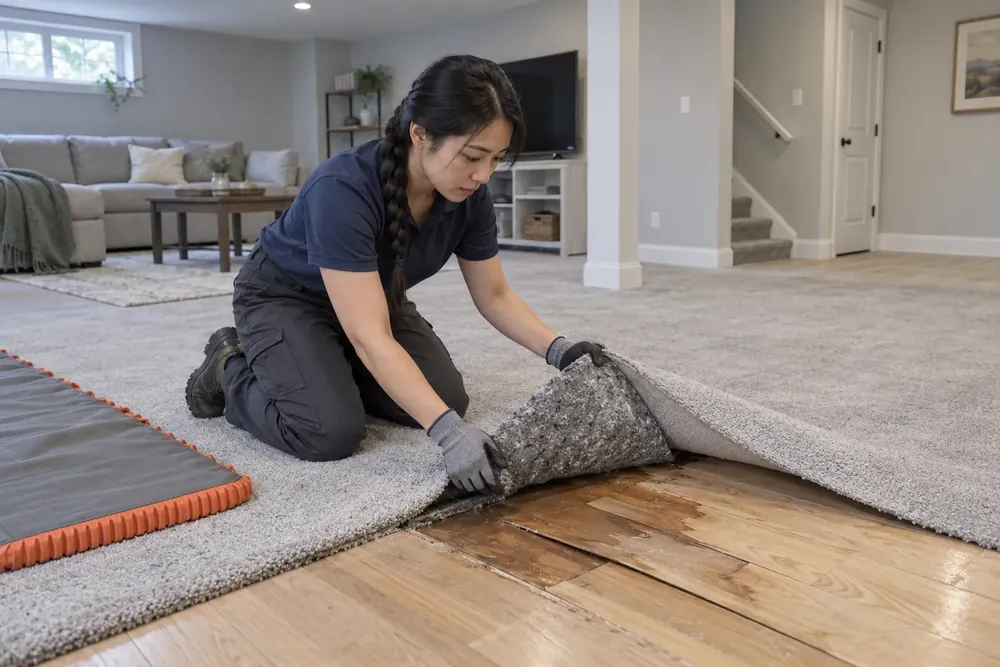
A dry surface can seem like a finished cleanup. Your technician checks beneath finishes and inside affected cavities, with Washington, DC water damage services covering extraction, sewage cleanup, structural drying and the scope of needed repairs.

Common Water Damage Causes in Washington, DC
Many homeowners assume fixing a pipe ends the damage. A repaired leak stops new water, but soaked drywall, insulation and flooring still need assessment and drying.
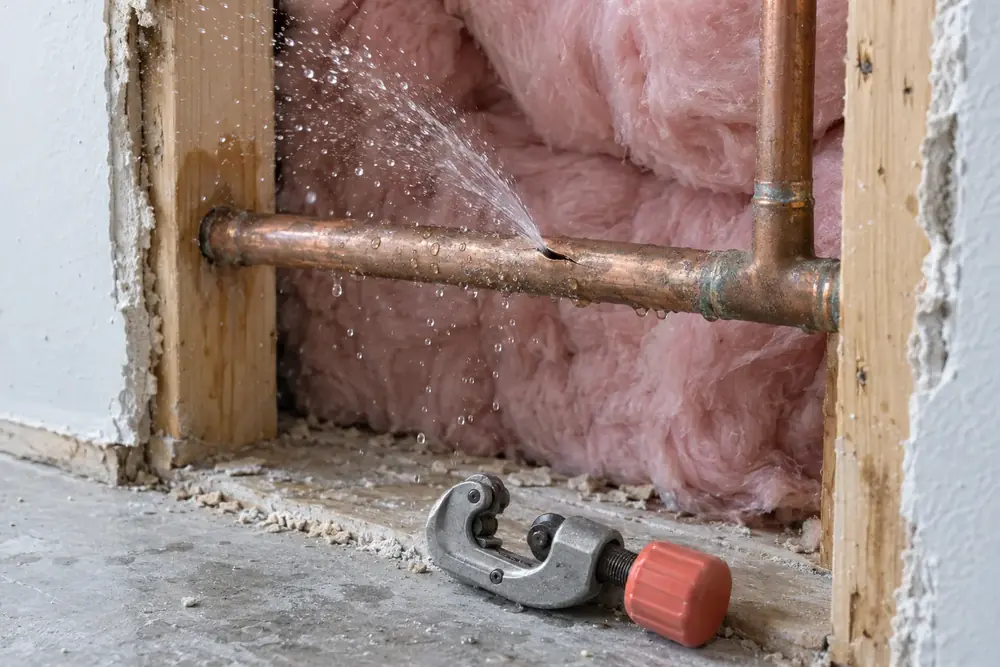
- Burst or slowly leaking supply lines can wet several rooms before the source becomes visible. Water extraction in Washington homes includes checking where that water traveled.
- Water heaters can leak at fittings or from the tank, sending water beneath stored belongings and nearby finishes.
- Washing-machine hoses, dishwasher connections and refrigerator supply tubes can release water behind cabinets or under floors.
- A failed sump pump can leave a basement wet; a blocked HVAC condensate drain can soak a ceiling or utility closet.
- Heavy rain can overwhelm stormwater drainage in the District. DC's Integrated Flood Model addresses that risk beyond river and stream flooding, so distance from a river doesn't rule out rain-driven water entry.
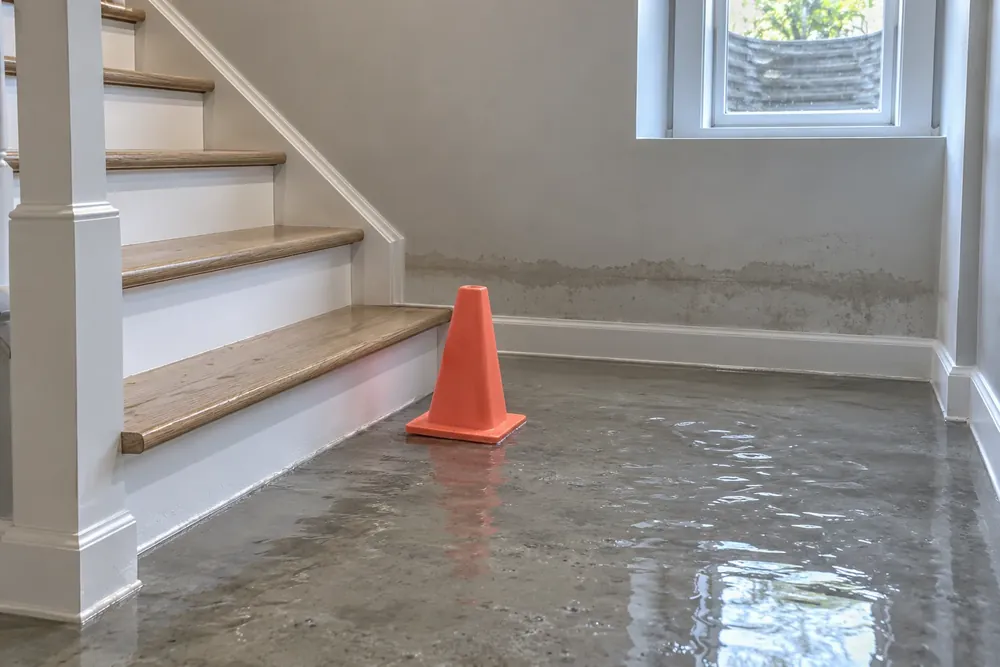
Basement flood cleanup in Washington starts by identifying whether water came from plumbing, outdoor runoff or a sewer backup. The source affects handling, removal of damaged materials and the drying plan. Call while the problem is unfolding; you can describe visible drips, odors or standing water during the conversation.
From Your Call to Completed Drying
- Call and describe the water in your Washington, DC home. Give the street address, including NW, NE, SW or SE, and share any visible leak or backup.
- Your technician assesses affected rooms, traces moisture and explains the cleanup scope. Keep out of standing water near electrical equipment and away from sagging ceilings.
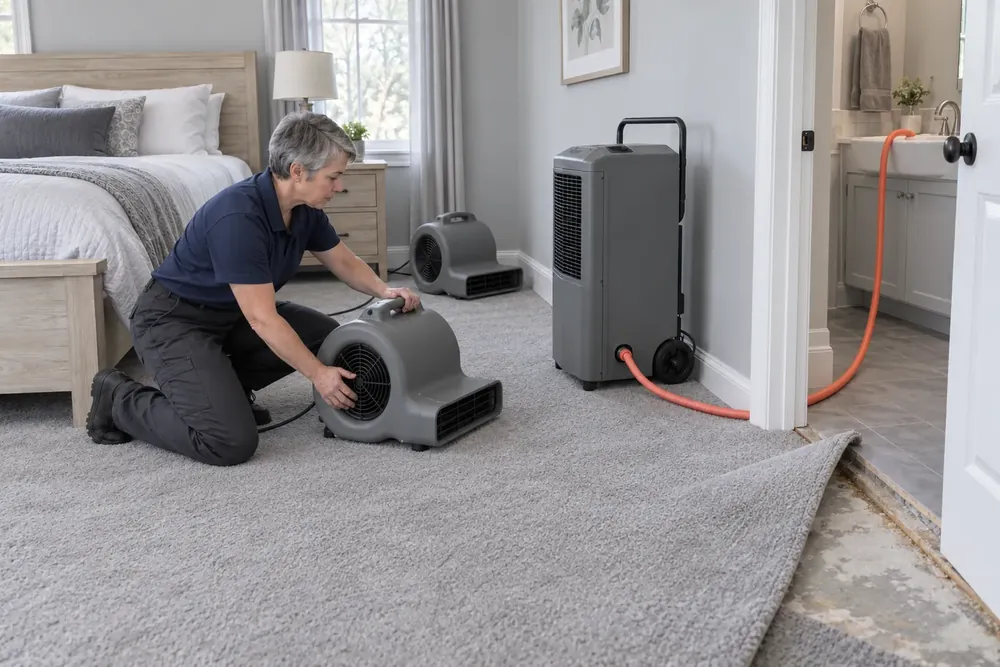
- Extraction and appropriate cleanup address standing water and affected materials. Your technician sets up drying equipment based on moisture readings and the condition of walls and floors.
- Follow-up measurements show whether materials have reached suitable drying targets. Your technician records the results and identifies repairs needed before finishes go back over the affected areas.
DC Sewer Responsibilities and Repair Permits
Sewer backups need line work and cleanup
A mop and bleach can seem enough after a backup. Contaminated materials and the blocked line need attention as separate parts of the job.
DC Water's sewer-backup instructions say to report a backup to its water and sewer emergency line. If the public main is clear, the property owner must arrange for a registered master plumber to clear the sewer lateral serving the property. DC Water also says owners are responsible for maintaining that line and removing clogs.
Call about the indoor damage now, and report the backup to DC Water as well. Clearing the lateral doesn't extract contaminated water from carpet or dry a wall cavity. Your technician assesses the cleanup separately from the plumber's line work.
New paint doesn't settle repair requirements
Painting over a stain can look like a complete repair. Wet materials need assessment, and rebuilding may involve permits beyond the finish work.
The DC Department of Buildings' permit guidance lists interior alterations, new plumbing fixtures and sump pumps among projects requiring permits. Its exemptions for painting and certain finish repairs have conditions, including an exception for historic districts. The department also identifies plumbing-system repair and replacement as plumbing-permit work.
Describe damaged walls, fixtures or basement finishes during your call. The repair scope should identify which work needs permit review before that work begins; there's no need to finish researching permit rules to request water removal and drying.
Local sources for Washington, DC
Neighborhoods We Serve in Washington, DC
Washington, DC neighborhoods listed in the Office of Planning's Near Northwest chapter include Mount Vernon Square, Truxton Circle, Logan Circle and Shaw. Call about water damage at your address and describe the affected level or room. A neighborhood name helps locate the home; the cleanup scope follows the water source and measured moisture in the building.
Also serving near Washington, DC:
Washington, DC Water Damage FAQs
Can heavy rain cause basement water damage away from DC's rivers?
Yes, heavy rain can overwhelm stormwater drainage even away from a river. DC's Integrated Flood Model addresses that risk beyond river and stream flooding. Basement flood cleanup starts by identifying whether water came from outdoor runoff, plumbing or a sewer backup. Call while water is entering; emergency water removal calls are answered 24/7.
Should I report a sewer backup to DC Water while requesting cleanup?
Yes, DC Water's sewer-backup instructions say to report a backup to its water and sewer emergency line. If the public main is clear, the owner must arrange a registered master plumber to clear the lateral. Call about indoor damage during the same incident; clearing the line leaves extraction, contaminated-material assessment and drying to address separately.
Does repairing the plumbing after a DC leak require permit review?
The DC Department of Buildings' plumbing-permit guidance identifies plumbing-system repair and replacement as permit work. A repaired leak still leaves soaked drywall, insulation or flooring to assess and dry. Call about water damage restoration in Washington, DC while the repair scope is being defined; you don't need to finish researching permit rules to request cleanup.
What should I photograph if several rooms are affected?
Take wide views of each affected room and closer pictures of water marks, flooring edges and damaged possessions from safe positions. For your Washington, DC home, label the images by room and keep notes about where water was first noticed. Retain written scopes and receipts without delaying a cleanup call to complete the records.
What should I do when water drips through a ceiling light?
Leave the area beneath the wet fixture and don't touch the light, switch or nearby wet surfaces. Call about the ceiling leak in your Washington, DC home and describe the electrical concern from a dry location. Have qualified professionals address the electrical hazard and water source before anyone handles the fixture or uses that part of the room.
Call now about water in your Washington, DC home, and describe the leak, wet rooms or backup so cleanup gets underway.
Call (703) 544-4750