
Many people assume dry to the touch means done. Moisture can remain below carpet or inside a wall after the exposed surface feels dry. Structural drying follows measured progress through the affected materials.
How Long Does Water Damage Restoration Take?
Drying commonly takes several days, and restoration may continue afterward if damaged finishes need replacement. SERVPRO's published guidance gives three to five days as an average structural drying period, with substantial variation. Use that range for general planning; your technician's readings determine the schedule for your house.
The first assessment identifies the water source, affected materials and hazards. Extraction removes standing water and reduces the moisture load. Materials that cannot be restored are identified for removal, while the remaining structure enters controlled drying.
Extraction Comes Before Deep Drying
Removing standing water starts the process, but absorbed water needs additional drying. A wet vacuum pulls out accessible liquid; air movement and dehumidification address moisture remaining in materials. EPA's cleanup guidance notes that wet vacuuming alone does not dry carpet, and the padding also needs attention.
Your technician checks whether carpet, backing and the floor underneath can be dried and cleaned. Decisions about opening a wall or lifting flooring depend on the water source, material condition and access to trapped moisture.
What Slows Water Damage Drying?
High humidity, saturated materials and concealed spaces can lengthen drying. Water underneath floor coverings or behind wall finishes is harder to reach than water on an exposed surface. Wet insulation and densely layered materials may need removal or additional access.
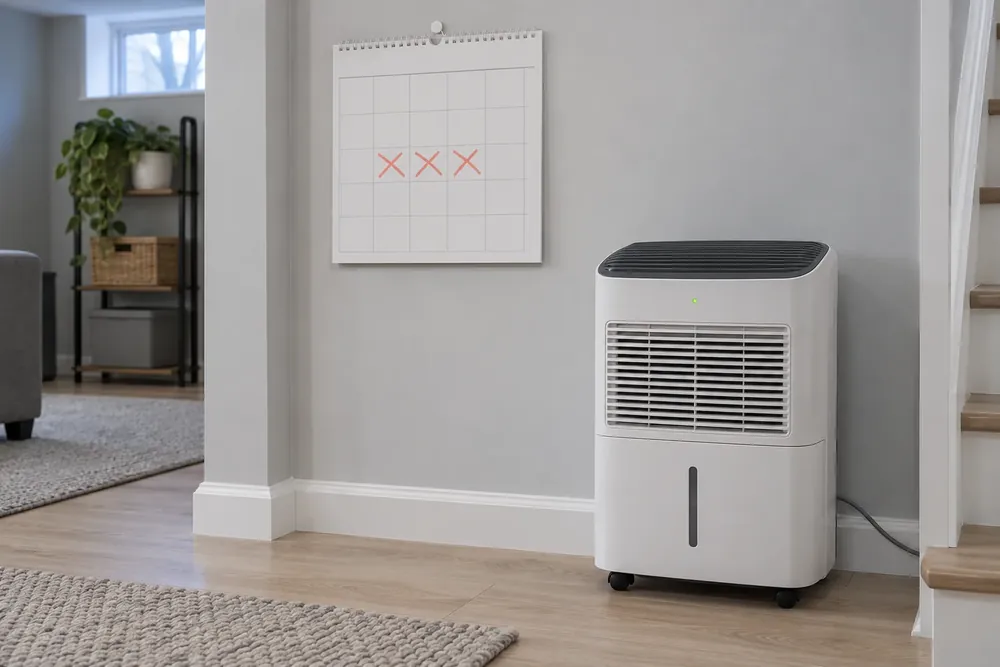
A water damage dehumidifier removes moisture from the air as water leaves the structure. Air movers help that exchange at wet surfaces. Equipment placement, temperature and humidity influence progress, so your technician adjusts the setup when readings show a slow area.
Keep access to equipment clear and report interrupted power or a full collection container. Follow the operating instructions your technician gives you rather than changing settings or moving machines between rooms.
A Hardware-Store Dehumidifier Has Limits
Many people assume a household dehumidifier finishes the job. Removing moisture from room air alone doesn't verify that a soaked floor or closed wall cavity has dried. A dehumidifier for water leak cleanup needs suitable capacity, drainage and access to the wet materials.
A dehumidifier for water damage restoration works alongside extraction, directed airflow and repeated measurements. Choosing a flood damage dehumidifier also doesn't resolve contamination: floodwater or sewage requires an assessment before air movers are used. EPA advises against using fans until the water is known to be clean or sanitary.
How Drying Is Verified
Drying is complete when the affected materials reach appropriate moisture targets and the readings support closing or refinishing them. Your technician checks wet locations repeatedly and records the trend, using moisture targets appropriate for each material.
One of our local water damage partners will describe the drying setup, monitoring visits and pricing before you authorize the work. Ask what is still wet, how progress is measured and what readings support equipment removal. Structural drying and dehumidifying addresses moisture remaining after water extraction.
How Long Does Water Damage Repair Take?
Repair time depends on the remaining scope after drying, including replacement materials and finish work. Drying equipment removal does not complete a job that still needs new drywall, flooring or paint. Your technician explains which areas have met drying targets and which repairs follow.
How Long Does It Take for Mold to Grow?
Mold can begin growing on damp materials within 24 to 48 hours, so drying should begin promptly. EPA recommends drying wet materials within that period where possible to help prevent growth. The prevention window isn't proof that every soaked structure will be fully dry within two days. Call about fresh or lingering dampness without waiting for visible growth.