
Fairfax · Lorton · Northern Virginia
Structural Drying & Dehumidifying in Fairfax, VA
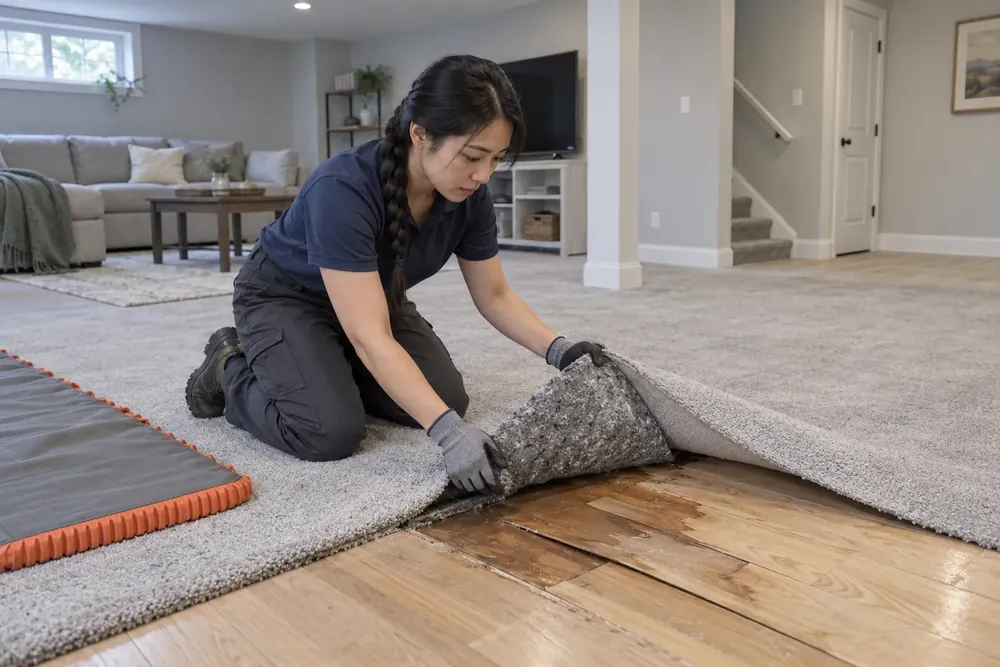
Our local water damage restoration professionals use structural drying and dehumidifying in Fairfax, VA to address moisture in walls, framing and subfloors. Dry to the touch doesn't mean dry inside; call about materials that stayed wet after extraction or a repaired leak.
- Calls answered 24/7
- Water removal and drying
- Serving Fairfax and nearby
Structural Drying and Dehumidifying Services in Fairfax
Many homeowners assume running fans finishes the dry-out. Air movement needs a plan for removing moisture and reaching wet materials.
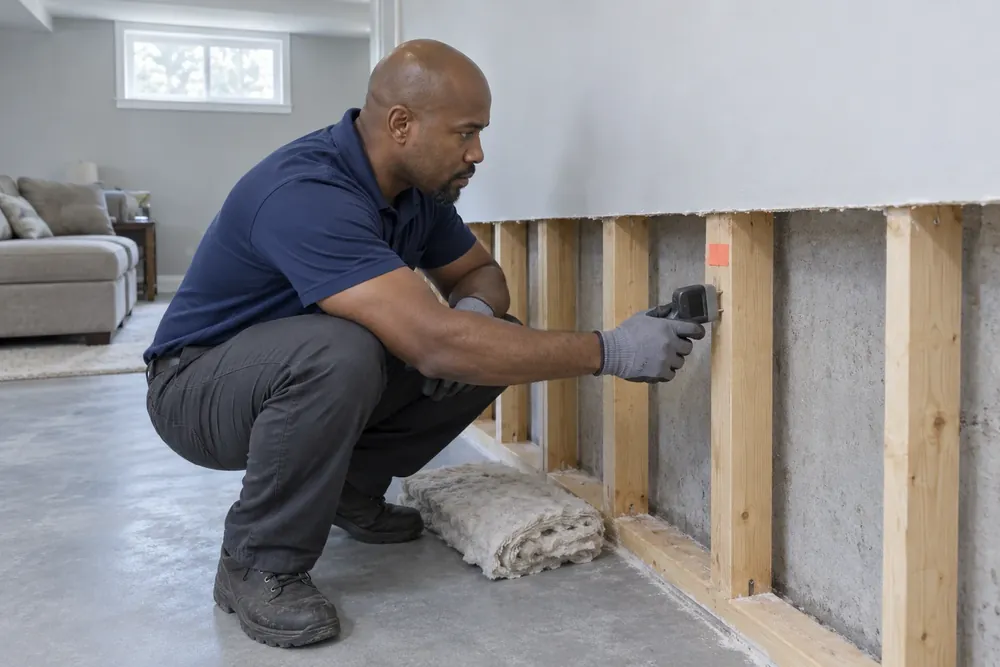
- Moisture mapping: Your technician checks affected walls, framing and floor layers. Readings help identify the drying area beyond visible stains.
- Drying access: Openings or selective material removal expose trapped moisture where needed. Access decisions account for the condition of wallboard and insulation.
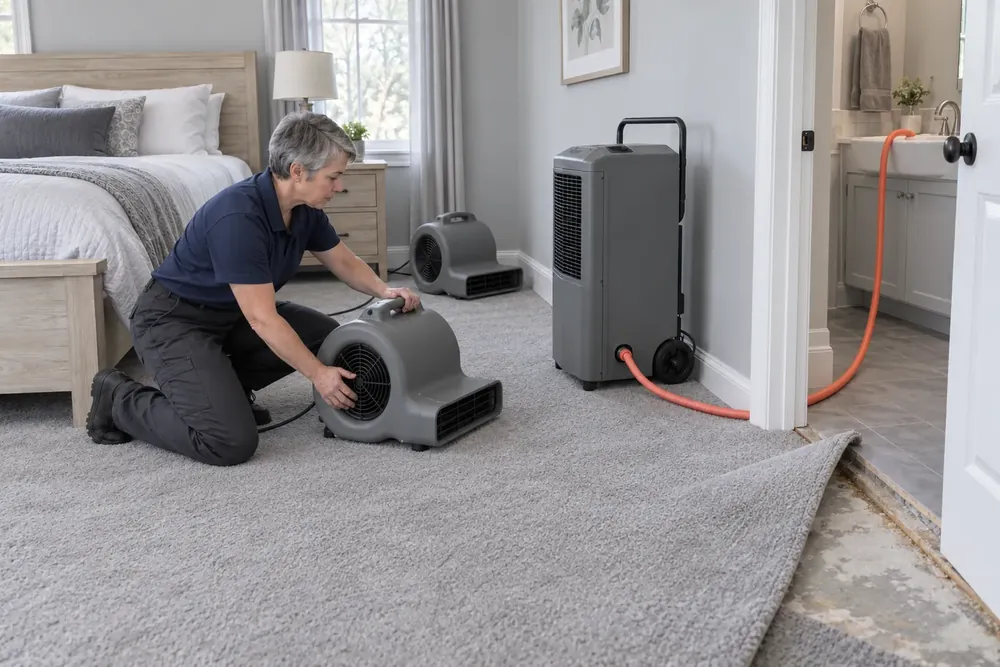
- Air movement: Air movers direct airflow along accessible wet surfaces. Placement follows the room arrangement and the materials being dried.
- Dehumidification: A water damage dehumidifier removes moisture from room air as wet materials release it. Capacity and operating conditions affect the setup.
- Measured progress: Follow-up readings track changes in materials and room conditions. The drying record helps identify remaining wet areas before wall closure or refinishing.
Signs You Need Structural Drying and Dehumidifying
A stopped leak may seem to end the damage. Water already inside building materials still needs attention.
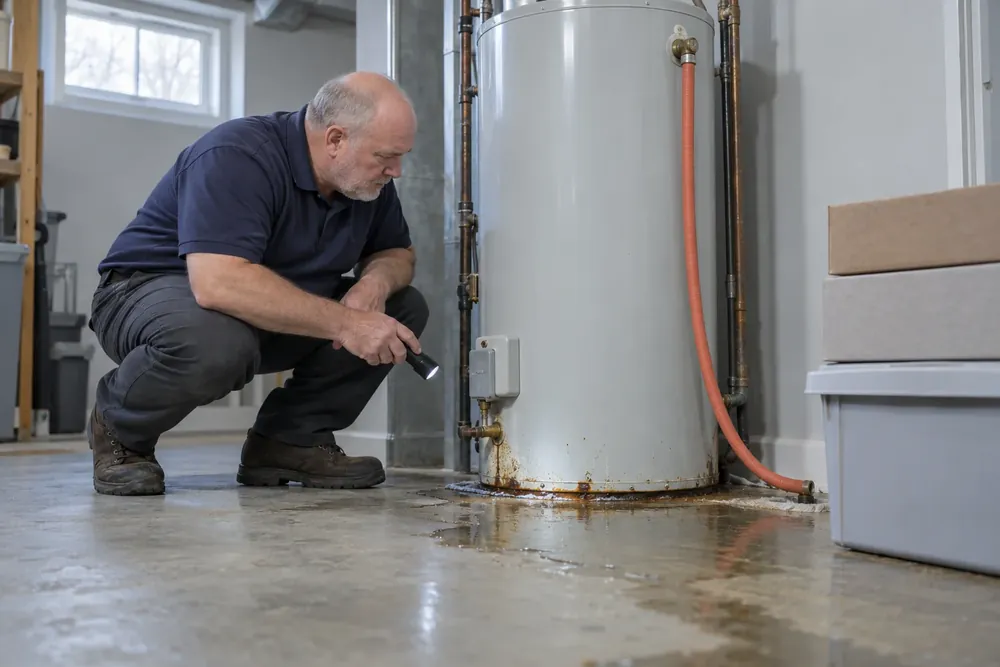
- Baseboards, wall edges or exposed framing remain damp after water removal.
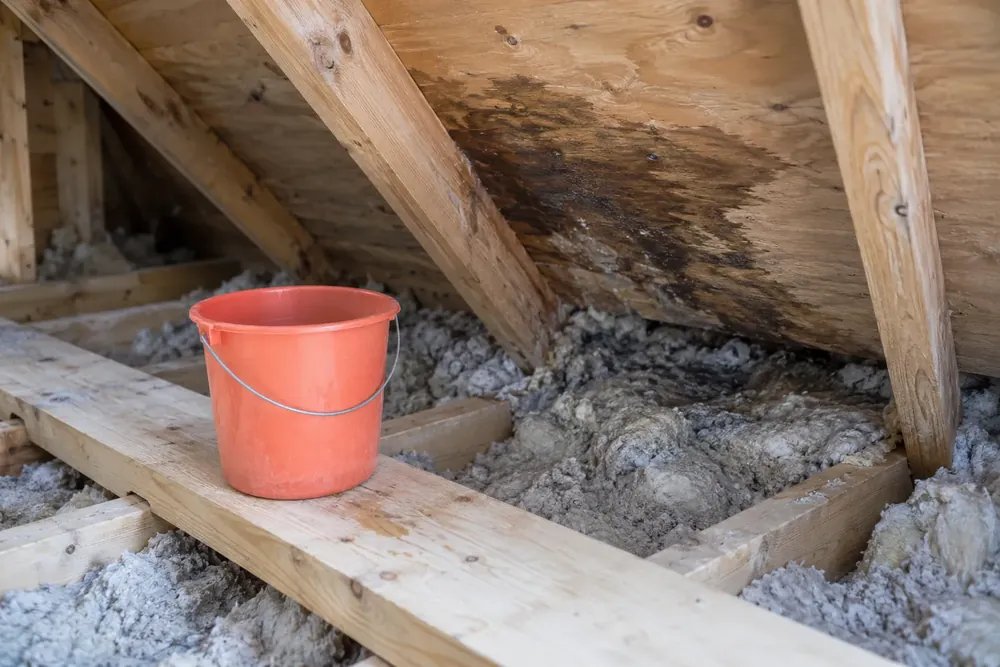
- Drywall softens, swells or develops spreading stains.
- A room stays humid after a substantial indoor leak.
- Condensation persists around the affected area.
- A musty odor remains near a wall cavity or covered floor.
Call about these signs while describing where the water entered.
Photos, moisture readings and a written scope of the work can be kept as records for an insurance claim.
How Structural Drying Progresses From Your Call
An empty extraction tank can seem to mark a dry house. Building materials need their own moisture checks.
- Start the conversation: Call about lingering dampness and explain which rooms were affected, even if the leak has already been repaired.
- Assess the structure: Your technician records initial material readings, room conditions and areas that need access for drying.
- Set up the dry-out: Air movers and dehumidification work together, with selective openings or removal where wet layers cannot dry adequately in place.
- Track the results: Repeat readings guide equipment adjustments and the drying endpoint. The remaining repair scope is explained before walls or flooring are closed up.
What Affects Structural Drying Costs in Fairfax
Dry-looking walls can seem ready for a quick repaint. Moisture inside the assembly may require additional access and drying time.
The affected volume, material thickness, equipment needs and repeat checks shape structural drying costs. One of our local restoration partners reviews the drying plan, necessary openings and pricing with you before any work begins. Water damage drywall repair cost also depends on removal, replacement and finishing after drying. The water damage cost guide separates drying expenses from later wall and ceiling repairs so you can understand the proposed scope.
Why Homeowners Seek Help With Hidden Moisture
- Around-the-clock call answering: Calls are answered 24/7 when a wet wall, lingering dampness or persistent humidity needs attention.
- A direct start with local help: One conversation connects you with a restoration professional for the structural drying process.
- An explained drying scope: Equipment, material access and the proposed price are discussed before the work starts, with drying distinguished from later repairs.
- Records for insurance documentation: Initial photos, moisture readings and the written scope can be kept as records for an insurance claim.
Structural Drying Records for an Insurance Claim
A stain photograph may seem to show the whole loss. Structural drying records also document moisture readings and the affected materials behind accessible surfaces.
Photos, readings taken during drying and a written scope give you a record of the work proposed and performed. Those records can be kept for an insurance claim. Coverage depends on your policy and insurer; your insurer handles the claim.
Safety Around Damp Walls and Drying Equipment
Call to discuss damp walls and drying needs from an unaffected area. Keep electrical tools away from standing water, and have an electrician assess water-exposed electrical systems before power is restored, as CDC advises.
- Avoid running fans across visible mold. EPA advises gently cleaning visible mold before using fans or dehumidifiers in flood cleanup.
- Leave flooded heating or air-conditioning equipment off until it has been checked and cleaned.
- Keep children out of flood cleanup work and away from wet materials.
- Don't open or cut suspect building materials yourself; EPA identifies lead and asbestos as potential hazards in older buildings.
Sources for this page
Related Water Damage Services
Areas We Serve Around Fairfax
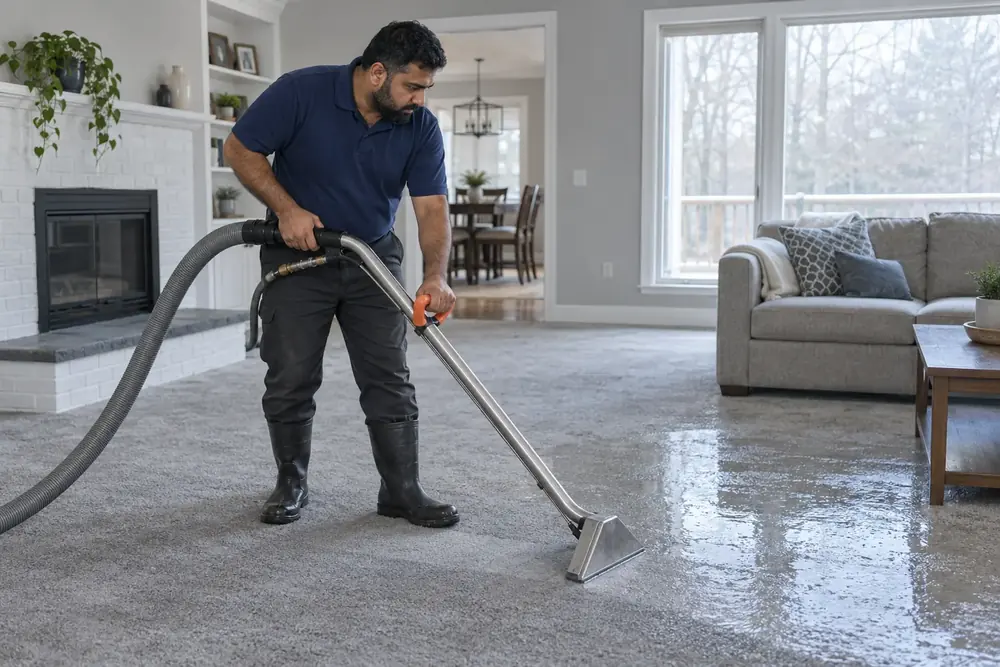
Structural drying help is available across the Fairfax and Lorton areas, as well as Washington DC and Maryland towns including Silver Spring, Bethesda and Rockville, addressing wet walls, framing and floor assemblies in nearby homes.
Structural Drying & Dehumidifying FAQs
What is structural drying after water damage?
Structural drying removes remaining moisture from building materials through planned airflow, dehumidification and progress measurements. It addresses framing, wall assemblies and subfloors after accessible water has been extracted. Your technician identifies what stayed wet and how to reach it, rather than judging the dry-out solely by the room's appearance.
Do you have to remove drywall after a flood?
Drywall removal depends on contamination, swelling, seam condition and whether the wall cavity can be cleaned and dried. EPA's clean-water guidance allows sound wallboard with intact seams to dry in place; contaminated flood damage needs a different assessment. Water damage drywall repair follows decisions about which materials need removal and which can remain.
Will a dehumidifier dry water-damaged drywall?
A dehumidifier helps remove moisture from room air, but it may not adequately dry enclosed wall layers without access and airflow. For water damage repair, drywall condition and cavity moisture both matter. Your technician checks the assembly and explains whether drying in place or selective removal suits the affected materials.
How long does structural drying take?
Structural drying has no fixed duration because the affected materials, trapped moisture and operating conditions differ between jobs. EPA notes that flooded homes may take days to weeks to dry. Repeat material readings guide the endpoint; a dry surface or an empty dehumidifier tank doesn't establish that hidden layers are ready for repair.
What humidity encourages mold after a leak?
Excess moisture encourages mold, and EPA recommends keeping indoor relative humidity below 60 percent, ideally between 30 and 50 percent. Those room-air ranges don't establish that wet drywall or framing is dry. Structural drying checks material moisture too, and visible mold requires assessment rather than simply aiming more fans at the affected wall.
Call about damp walls, wet framing or lingering humidity to get a structural drying assessment started in Fairfax or Lorton.
Call (703) 544-4750